

Llama 3, an LLM fine-tuned on the bank's data
For Afreximbank, STEPS fine-tuned Llama 3 on the bank’s internal data: corpus building, training, evaluation and deployment of an open source model the bank stays in control of.
$ prepare_corpus --source internal_docs
✓ corpus cleaned, deduplicated, anonymised
$ finetune --base llama-3 --method lora
epoch 3/3
$ evaluate --suite bank_qa --guardrails on
✓ model deployed on the bank's infrastructure
Generative AI, but not at any price
The bank wanted to use generative AI on its own documentation: reports, policies, internal notes. But off-the-shelf solutions raised confidentiality and relevance issues.
Sensitive documentsA bank's internal data cannot be entrusted to an external service without guarantees.
Specialised vocabularyGeneral-purpose models know little about trade finance and the bank's own language.
A dependency to avoidBuilding on a proprietary API means depending on its prices, rules and availability.
Why a model of its own rather than an API
A bank cannot send its internal documents just anywhere. A fine-tuned open source model stays under its control.
Convenient, but
- Data sent to a third party
- Business vocabulary poorly handled
- Dependency on a vendor
The bank's choice
- Model hosted and controlled by the bank
- The bank's language and context learned
- Guardrails defined in-house
From corpus to model in production
Collection, cleaning and anonymisation of internal documents.
Training Llama 3 on this corpus, in the bank's vocabulary.
Answer quality tests and guardrails before any go-live.
Secure deployment, controlled access and production monitoring.
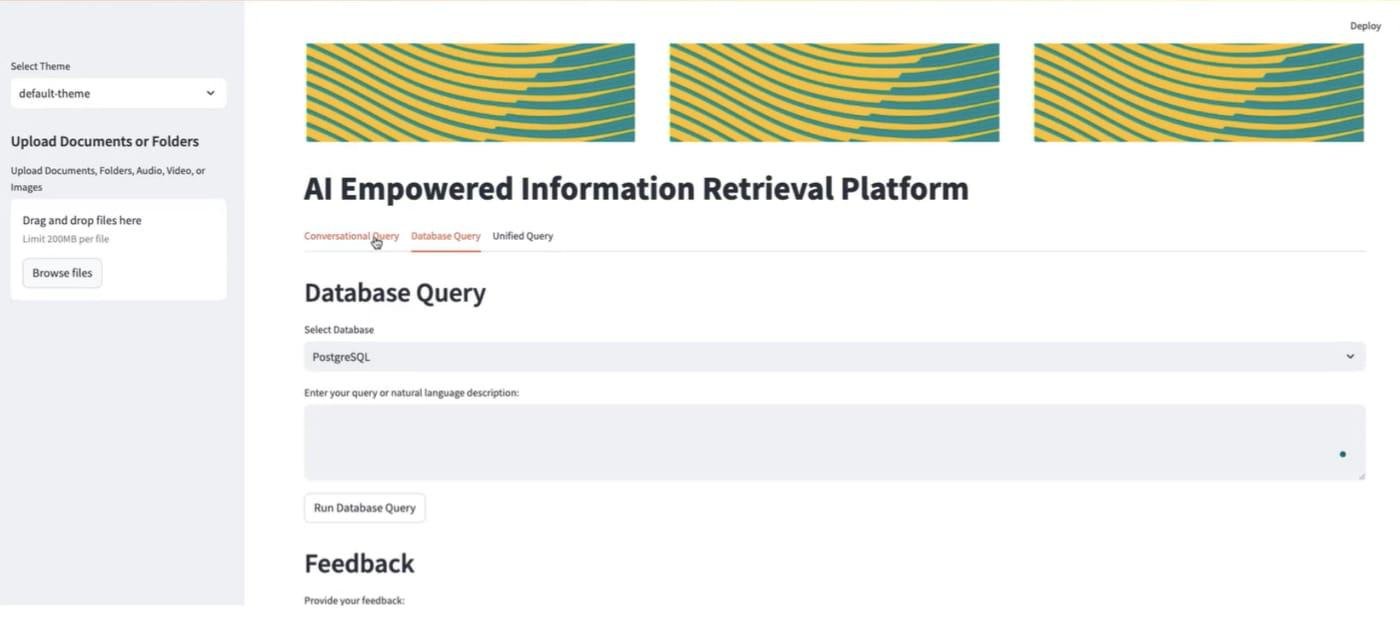
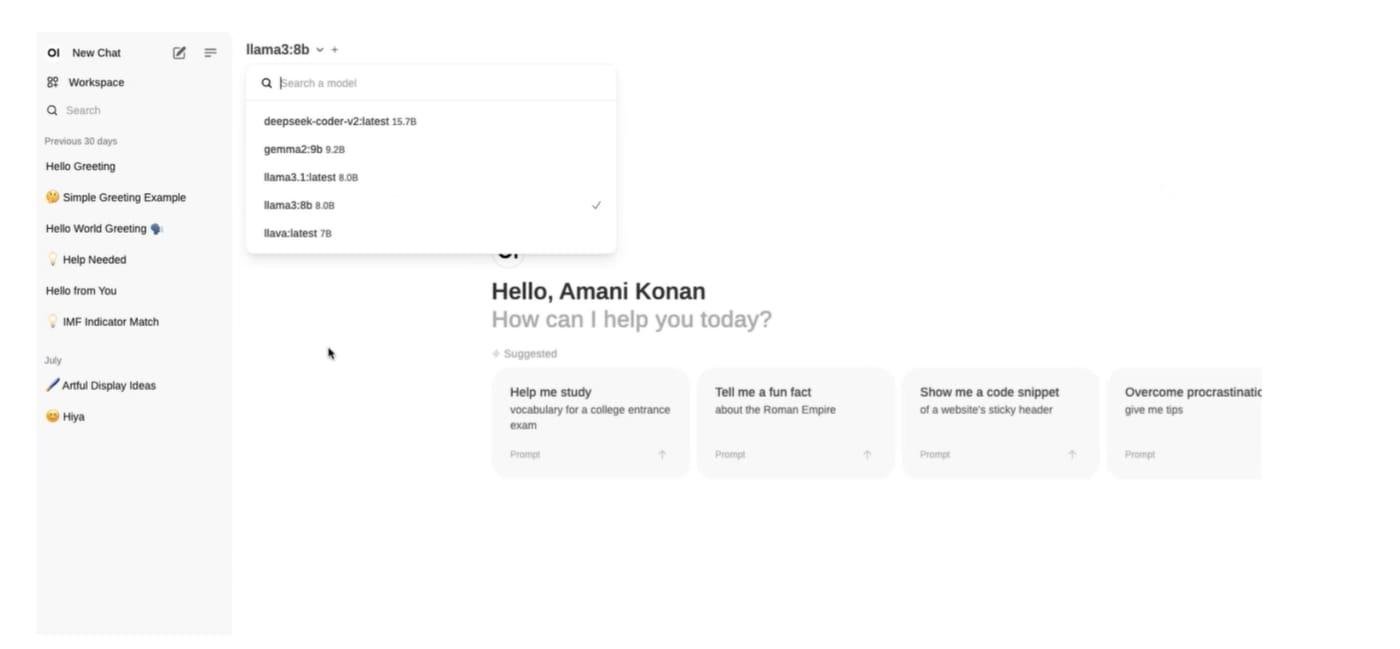
Querying the bank's documents
The model powers an information retrieval platform: teams upload their documents and ask questions in natural language, with built-in feedback.
What the model brings to the bank
An AI asset the bank owns, controls and can evolve.
The bank has a language model tailored to its business, hosted and controlled by it: its data never leaves and it decides how the model evolves.
The corpus and the model stay in a controlled environment.
The model understands the bank's vocabulary and context.
An open source model avoids paying a vendor for every request.
The model can be retrained, moved or replaced freely.
Teams find information in documents using natural language.
The same model powers assistants, summaries and AI agents.
Four phases, from idea to model in production
Choice of use cases, documents to include and confidentiality rules.
Collection, cleaning, anonymisation and structuring of the training corpus.
Llama 3 fine-tuning, iterations and evaluation on business questions.
Secure deployment, search platform and user feedback loop.
Under the hood
A complete MLOps chain, from data preparation to production monitoring.
- DataInternal corpus cleaned, deduplicated and anonymised
- ModelOpen source Llama 3, fine-tuned on the bank's corpus
- EvaluationBusiness question sets and safety guardrails
- ServingHosted in an environment controlled by the bank
- InterfaceInformation retrieval platform with user feedback
Frequently asked questions
Why Llama 3?
It is a high-performing open source model: the bank can host it, adapt it and evolve it without depending on a vendor.
Does the data leave the bank?
No. The corpus, training and serving stay in an environment controlled by the bank.
Does training need to be redone regularly?
The model can be retrained when the corpus evolves; the approach is documented and reproducible.
Want generative AI that stays in-house? Let's talk about your sovereign LLM.
Book a scoping session ↗